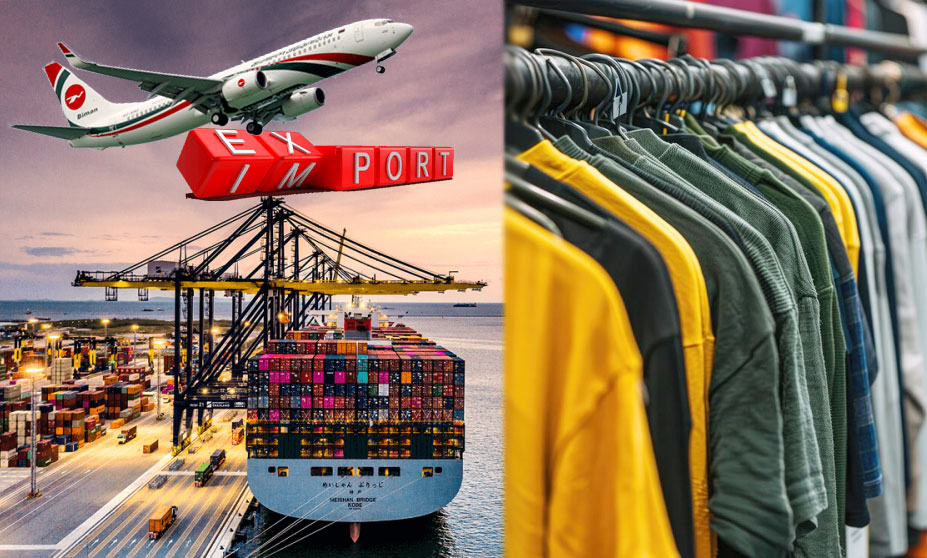

To lower business costs, streamline trade operations, and diversify exports beyond readymade garments (RMG), the government has introduced a comprehensive series of reforms across the bonded warehouse system, customs procedures, and export incentives. According to official budget documents, these measures seek to extend bond facilities to emerging export-oriented industries, eliminate regulatory bottlenecks for compliant businesses, accelerate customs clearance, and attract investment into non-RMG sectors. While the bonded warehouse system—which enables duty-free raw material imports for export production—was instrumental in propelling the growth of the RMG sector, the government is now broadening these benefits so that other promising industries can achieve similar success.
Under the new regulatory framework, existing bond rules will be amended to allow all export-oriented sectors to import raw materials under bond facilities and export finished goods. To promote transparency and inclusion, a new notification under the bonded warehouse system will grant duty-free raw material imports for jewelry production alongside compliant export protocols. Furthermore, fully export-oriented enterprises operating without bond licenses will now be permitted to procure raw materials duty-free against back-to-back letters of credit.
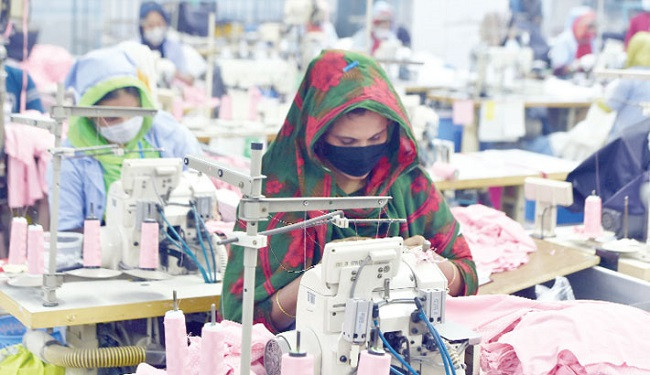
To lighten administrative burdens and simplify compliance, the government is withdrawing the annual bond audit requirement for compliant RMG enterprises. In addition, general bond validity for fully export-oriented leather goods, footwear, towel, linen, and home textile firms will be extended from one year to three years. Operational flexibility is also being improved by allowing units within 60 kilometers of their main establishment to fall under the Continuous Bond facility, regardless of commissionerate jurisdiction. The government is removing storage caps on raw materials held in bonded warehouses, eliminating the mandate for outgoing and incoming owners to appear in person before customs officials during bond license transfers, and relaxing the deadline for obtaining Utilisation Permission (UP) before shipment expiration from 48 hours to 24 hours.
In another major policy shift, ten non-bonded sectors will now be allowed to import raw materials duty-free subject to bank guarantees. These sectors include motorcycles, speedboats, fish processing, handicrafts, diversified jute products, diapers and sanitary napkins, crockery, tents, recycled cotton bags, and terry towels. Crucially, the government has scrapped the legal requirement mandating a minimum 30 percent value addition on goods produced using duty-free raw materials imported under bank guarantees without bond licenses.
To further speed up customs processing, the rate of goods clearance under the system-based self-assessment method for the Authorised Economic Operator (AEO) scheme is set to double, with compliant firms no longer required to submit updated audit reports when applying for AEO benefits. Customs clearance delays will be minimized by permitting private laboratories accredited by the Bangladesh Accreditation Board and meeting ISO standards to conduct testing alongside government labs. Additionally, local pesticide and agrochemical manufacturers will transition from invoice-based approvals to an annual entitlement-based certification from the Ministry of Agriculture for concessional imports. Finally, the government has abolished the mandatory minimum fine of Tk 50,000 for unintentional, minor deviations in small, low-value postal or courier shipments, establishing a more flexible regulatory environment designed to help domestic industries compete globally.
Financial Mirror/AH